Browse by topic

1The Challenge: Becoming "Machine-Readable"
As search behavior shifted toward AI Overviews (AIO) and chatbots, Visit Orlando faced a visibility gap. Traditional SEO focuses on keywords for humans, but AI models look for "Entities"—verified connections between a destination and a user's intent. Without a structured "Knowledge Graph," the DMO risked having AI models provide outdated or "hallucinated" info about new attractions, potentially making the official destination voice invisible in AI-generated answers.
2The Tools: Schema App & Entity Hub
The DMO utilized Schema App, an enterprise-grade structured data platform. They implemented a "Semantic Data Layer" using high-scale Schema.org markup and the Entity Hub, a tool that links Orlando's local businesses to global "Source of Truth" databases like Wikidata and Google's Knowledge Graph.
3The Solution: Semantic Connectivity
Instead of just writing traditional blog posts, Visit Orlando transformed its website into a machine-readable knowledge base. They used Entity Linking to define specific locations (e.g., distinguishing "The Wheel at ICON Park" as a unique attraction entity) and Disambiguation to ensure AI models correctly identified local spots. This created a web of data "triples" (Subject-Predicate-Object) that allowed AI assistants to understand the relationships between different Orlando venues and activities.
4The Outcome: Dominating the "AI Overview"
By providing the most structured and authoritative data for their region, Visit Orlando saw a 19.72% increase in AI visibility within just two months. Their content became a primary source for Google's AI Overviews, ensuring that travelers received accurate, DMO-verified information through AI assistants, even if they never visited the official website directly.
Source: Schema App - Visit Orlando Case Study

1The Challenge: Proving ROI on Street Art
Lexington is home to over 50 world-class street art murals, but the DMO struggled to quantify their economic value. Unlike a museum, murals don't have turnstiles or tickets. VisitLEX needed a way to prove that these art installations were actually driving foot traffic and spending in surrounding local businesses to justify further investment in the city's public art scene.
2The Tools: Datafy AI & Bandwango
The DMO combined two key technologies: Datafy, an AI-powered platform that analyzes anonymized GPS data and credit card transaction patterns, and Bandwango, a digital pass system used to create the "Mural Challenge" mobile passport for visitors.
3The Solution: The "Mural Challenge" Data Loop
VisitLEX launched a digital "Mural Challenge" that incentivized visitors to check in at various murals. The AI-powered backend correlated these check-ins with anonymized mobile "pings" to map visitor movement. By layering credit card spending data over these GPS patterns, the AI could identify if a "mural visit" resulted in a subsequent purchase at a nearby coffee shop or boutique, effectively creating a link between art and commerce.
4The Outcome: A 4,500% Surge in Engagement
The AI analysis revealed a 4,500% increase in visits to specific mural sites during the challenge. More importantly, the DMO successfully proved a direct correlation between mural visits and increased spending at local small businesses. This data-backed evidence allowed VisitLEX to demonstrate a clear ROI to stakeholders and continue their "Bluegrass Art" initiatives with confidence.
Source: VisitLEX Official Mural Challenge & PhocusWire: AI and Data Reshaping Tourism

1The Challenge: Information Overload
With millions of annual visitors, Madrid faced a scalability problem. Travelers were overwhelmed by the amount of content on the official site, and human tourist offices couldn't stay open 24/7 or speak every language. The DMO needed a way to provide hyper-personalized, "vibe-based" itineraries instantly.
2The Tools: VisitMadridGPT (Azure OpenAI)
The city council partnered with Microsoft to build VisitMadridGPT, a generative AI assistant integrated directly into the city's tourism portal. It uses GPT-4 technology but is strictly trained only on the DMO's verified data to prevent incorrect information.
3The Solution: AI-Powered Itineraries
The AI understands complex natural language. A user can ask, "I have 3 hours near the Prado Museum and I love street food; what should I do?" The AI then generates a realistic, mapped-out plan. It supports over 95 languages, allowing international travelers to plan in their native tongue.
4The Outcome: Massive Engagement
The tool saw an average session time of over 4 minutes, which is nearly double the time spent on traditional static pages. Additionally, 20% of users ended their session by thanking the AI, signaling a high-quality brand experience that reduced the burden on physical tourist offices.
Source: Microsoft Customer Stories - Visit Madrid

1The Challenge: Standing Out in a Saturated Market
To attract Gen Z and millennial travelers, KTO needed a campaign that broke the mold of traditional "scenic landscape" videos. They wanted to present South Korea's iconic landmarks in a way that felt modern, artistic, and highly shareable on social media.
2The Tools: Generative AI (Stable Diffusion / Midjourney)
The KTO spent six months training AI models on over 1,100 images of famous Korean landmarks and the distinct styles of 11 world-renowned painters (such as Van Gogh, Monet, and Matisse).
3The Solution: AI Art as Marketing
The resulting campaign, "What If [Artist] Visited Korea," featured videos where Korean sites were transformed into living paintings. Seoul's skyline was reimagined in the style of Van Gogh's Starry Night, and local temples were rendered with the soft strokes of Monet. This used AI not to replace the destination, but to re-interpret it through a "creative lens."
4The Outcome: Viral Global Reach
The AI-generated video garnered nearly 30 million views on YouTube within just two weeks of its premiere. By leaning into the "AI Art" trend, KTO successfully repositioned Korea as a destination where tradition meets cutting-edge technology, specifically targeting tech-savvy global audiences.
Source: Duolook Media - Korea Tourism AI Video Case Study

1The Challenge: Reacting to Climate Shifts
Global warming has created a new travel trend: travelers fleeing extreme heat for cooler climates (known as "Cool-cationing"). Visit Scotland needed to know exactly when and where this sentiment was spiking so they could adjust their marketing spend toward regions suffering from heatwaves.
2The Tools: AI Sentiment Engine (BVA BDRC)
Visit Scotland utilizes an AI-driven sentiment tracker that monitors millions of social media posts, news articles, and traveler surveys to identify emerging emotional triggers for travel.
3The Solution: Real-Time Pivot
When the AI identifies a heatwave "fatigue" in markets like the Southern US or Southern Europe, Visit Scotland triggers automated ad campaigns promoting the "refreshing" and "misty" landscapes of the Highlands. The AI helps them move from "static" annual planning to "dynamic" seasonal responses.
4The Outcome: Off-Season Growth
The DMO successfully increased its "off-season" (Autumn/Winter) bookings by targeting climate-sensitive travelers. This balanced the tourism load across the year, reducing overcrowding in the summer and supporting local businesses during the quieter months.
Source: Visit Scotland Insights & Sentiment Reports
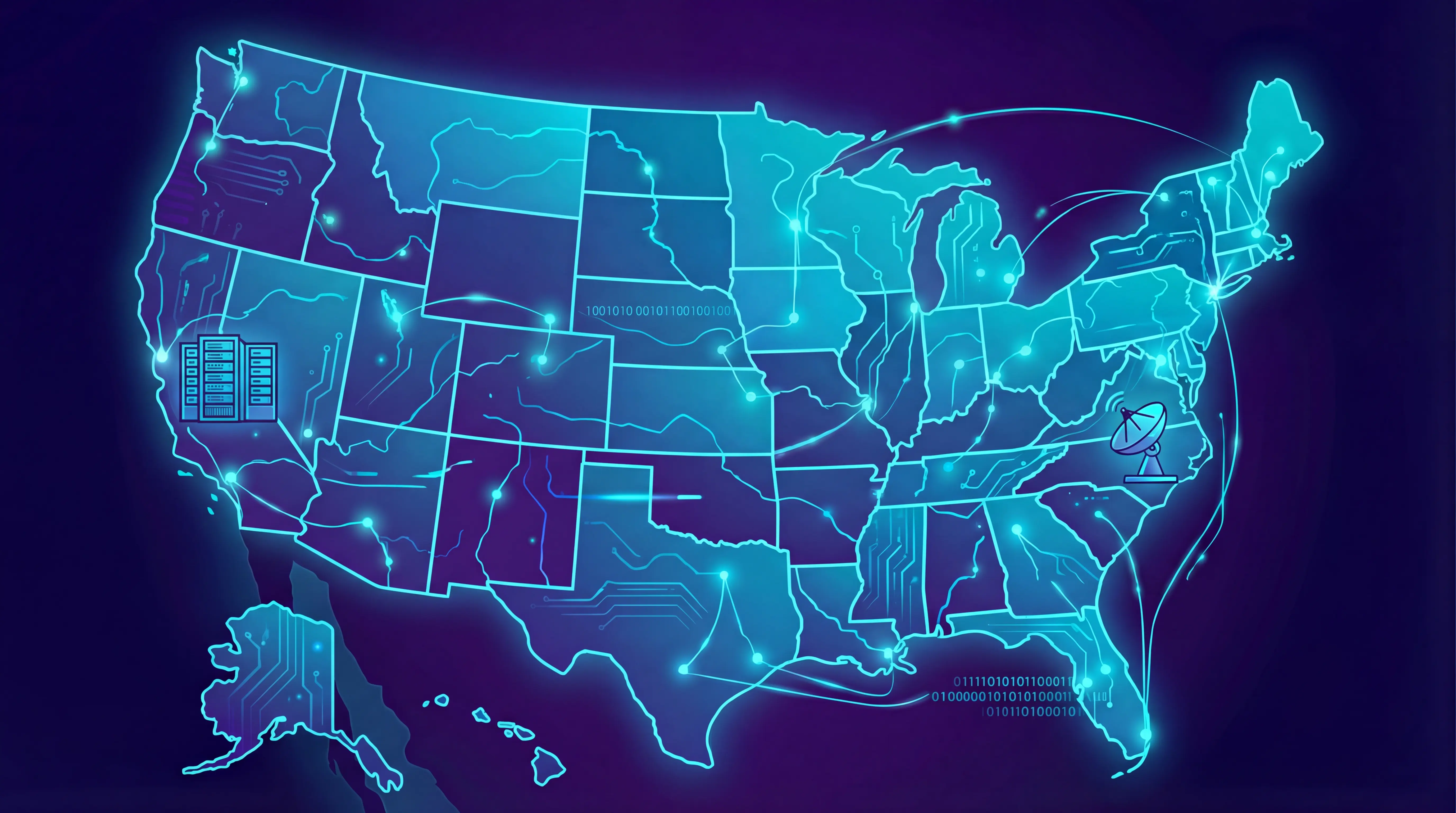
1The Challenge: Global Representation at Scale
As the national DMO for the United States, Brand USA faces a massive logistical challenge: representing thousands of small-to-mid-sized destinations to a global audience. Many of these local "gems" lack the budget or staff to translate their marketing materials into dozens of languages or format their content for international Online Travel Agencies (OTAs). Without a scalable solution, the vast majority of U.S. tourism offerings remained "invisible" to high-spending international markets in Asia, Europe, and South America.
2The Tools: AI Content Blueprint & Localization Hub
Under the leadership of the industry's first Chief AI Officer, Janette Roush, Brand USA implemented an AI Content Hub.
- •Generative AI Translation Models: Advanced language models trained on travel-specific nuances to ensure cultural accuracy (localization) rather than just word-for-word translation.
- •Mindtrip Integration: A partnership to launch an AI-powered "America the Beautiful" website that uses over 300+ AI-driven Calls to Action (CTAs) to guide travelers from discovery to booking.
- •Structured Data Pipelines: Tools that automatically format local destination content into standardized packages for global distribution partners (Expedia, Trip.com, etc.).
3The Solution: Democratizing Global Reach
Brand USA moved from a manual content model to an AI-first distribution strategy:
- •Automated Localization: They used AI to instantly "re-skin" destination guides for different cultural contexts—for example, highlighting "scenic road trips" for German markets while focusing on "luxury shopping and city icons" for the Chinese market, all using the same core assets.
- •B2B Empowerment: They provided international travel agents and trade partners with AI-powered toolkits. These tools allow a travel agent in Tokyo to instantly generate a custom, 10-day "Deep South" itinerary for a client, pulling verified data from the Brand USA hub.
- •Real-Time Channel Feedback: The AI monitors which types of content perform best on specific global channels, allowing the DMO to adjust the "flow" of content to OTAs in real-time based on current booking trends.
4The Outcome: Increased "Shelf Space" for Small DMOs
The initiative transformed how the U.S. is "sold" internationally:
- •Global Efficiency: By automating the localization and distribution of assets, Brand USA enabled small rural destinations to appear on major international booking platforms that were previously out of reach.
- •Record-Speed Launch: The new AI-driven website was built and launched in record time, integrating hundreds of local partners into a unified, searchable AI ecosystem.
- •Smarter Competitive Edge: Brand USA proved that while they cannot outspend every global competitor, they can "out-smart" them by using AI to ensure the right U.S. destination reaches the right international traveler at the exact moment they are ready to book.
Source: Brand USA AI Strategy & Mindtrip Integration & Janette Roush: The AI Blueprint

1The Challenge: Urban Congestion and Fragmented Data
Dublin, a compact capital city, faced the growing challenge of managing tourism "flow." Popular areas like Temple Bar were becoming overcrowded, while other cultural districts remained under-visited. The DMO and city council lacked a unified way to see how people were moving in real-time. Because data was siloed—hotels had their data, bike-share programs had theirs, and the city had another—they couldn't create a cohesive strategy to improve the visitor experience or manage local impact.
2The Tools: AI Sensors & Open Data Dashboards
Dublin launched a collaborative initiative involving city officials, tech startups, and academic partners (such as the Insight SFI Centre for Data Analytics).
- •AI Computer Vision: High-tech sensors placed across the city to categorize movement (pedestrians, cyclists, vehicles) without capturing personal identities.
- •Smart Dublin Open Data Store: A central AI-powered platform that aggregates data from dozens of public and private partners into one "live" city dashboard.
3The Solution: The "Capital of Smart Tourism" Partnership
Instead of the DMO working in isolation, they built a partnership ecosystem:
- •Real-Time Load Balancing: By sharing AI sensor data with private tour operators and transport providers, the city can predict peak congestion 48 hours in advance. This allows partners to offer "off-peak" incentives to travelers.
- •Active Travel Integration: The partnership focused on "Smart Mobility." AI analyzed weather and foot traffic data to prove to local retailers that pedestrianizing streets actually increased shopping and dining revenue, turning skeptical local business owners into tourism partners.
- •Inclusive Accessibility: They partnered with startups to map the city's accessibility. AI analyzed "curb data" to create a routing app for mobility-impaired visitors, ensuring the city's tourism infrastructure served everyone.
4The Outcome: A Multi-Award-Winning Infrastructure
Dublin's commitment to AI-driven partnerships made it a global leader in destination management:
- •European Capital of Smart Tourism: Dublin was officially named the 2024 European Capital of Smart Tourism, specifically cited for its use of digital tools and partnerships to create a sustainable city.
- •Data-Driven Policy: The DMO now uses "hard data" rather than "best guesses" to decide where to place new signage, public toilets, or event spaces.
- •Economic Resilience: Local businesses reported higher satisfaction and better coordination during major city events (like St. Patrick's Day) because the AI partnership provided them with actionable visitor flow forecasts.
Source: European Commission: 2024 European Capital of Smart Tourism & Smart Dublin: Data-Driven Active Travel

1The Challenge: The "Wild West" of AI Adoption
By early 2025, DMOs worldwide were rushing to adopt Generative AI, but this rapid expansion created significant risks. Staff were using "Shadow AI" (unauthorized personal accounts) to process sensitive visitor data, potentially violating GDPR and privacy laws. Furthermore, AI "hallucinations"—where a chatbot might invent a non-existent hotel or provide incorrect safety information—threatened the legal liability and brand reputation of destinations. DMOs needed a way to innovate without compromising trust or security.
2The Tools: The AI Readiness & Governance Framework
Destinations International, the global trade association for DMOs, developed a centralized AI Governance Toolkit. This wasn't a single software tool, but a standardized policy infrastructure that included:
- •The AI Usage Policy Template: A legal framework for DMO employees to ensure ethical use.
- •Vetting Checklists: AI-driven tools to audit third-party vendors (like chatbot providers) for data security and bias.
- •Human-in-the-Loop (HITL) Workflows: Formalized processes where AI-generated content must be verified by a local expert before publication.
3The Solution: Institutionalizing Trust
The DMO industry shifted from "experimentation" to "governed innovation" by implementing three pillars of risk management:
- •Data Sovereignty: DMOs began using "Closed-Loop" AI systems (like Enterprise Azure or AWS) where their data is not used to train the public models of OpenAI or Google. This protects proprietary destination data.
- •Hallucination Guardrails: Implementing "Retrieval-Augmented Generation" (RAG). This forces an AI to only answer using a specific, verified library of DMO content, significantly reducing the risk of false information.
- •Transparency Standards: Participating DMOs agreed to "label" AI-generated imagery or interactions, maintaining transparency with travelers and adhering to emerging "Right to Know" digital laws.
4The Outcome: A Safer Path to Innovation
The implementation of a global governance standard provided a "safety net" for the entire industry:
- •Standardized Compliance: Dozens of DMOs, from NYC Tourism to smaller regional boards, adopted the framework, ensuring they meet global privacy standards (GDPR/CCPA) while using AI.
- •Reduced Liability: By mandating HITL (Human-in-the-Loop) verification for safety and historical content, DMOs avoided high-profile "AI fails" that plagued other sectors.
- •Stakeholder Confidence: Having a clear governance policy allowed DMOs to secure more funding for AI projects, as local governments and boards felt confident that the technology was being used responsibly and ethically.
Source: Destinations International - AI Readiness Roadmap & PhocusWire: How DMOs are Navigating AI Risk

1The Challenge: Static Content in a Real-Time World
Traditionally, a DMO website is a collection of static pages. However, travel is dynamic—weather changes, ski lifts close, and events sell out. SalzburgerLand realized that to remain relevant in the future of "Agentic AI" (where AI assistants book travel on behalf of humans), they could no longer just be a website; they had to become a real-time data provider. They needed a way for a traveler to ask, "Where is the best place to ski today based on my skill level and current snow conditions?" and get a verified, live answer.
2The Tools: WordLift & The Content Knowledge Graph
SalzburgerLand partnered with WordLift to build one of the most advanced Tourism Knowledge Graphs in the world.
- •Semantic Web Technology: Instead of just writing "snow," they used "entities" to link their content to real-world concepts.
- •Real-Time Data Feeds: They integrated live APIs (Application Programming Interfaces) for weather, lift status, and hotel availability directly into their content database.
- •Vector Databases: A futuristic way of storing data that allows AI to understand the "context" of a traveler's request.
3The Solution: From Webpages to "Data-as-a-Service"
The DMO transformed its entire digital presence into a "living" ecosystem:
- •Automated Personalization: By using the Knowledge Graph, the website "re-configures" itself for every user. If a user is interested in "family hiking," the AI identifies related entities (nearby playgrounds, stroller-friendly paths, kid-friendly cafes) and presents them as a cohesive journey.
- •AI-First Infrastructure: They ensured their data was "crawlable" by future AI agents. This means when a traveler in 2026 uses a voice assistant or a smart car to ask for a recommendation, the car pulls the verified live data directly from SalzburgerLand's Knowledge Graph.
- •Dynamic Itineraries: The system doesn't just suggest a place; it suggests a moment. It combines the "vibe" of a location with the practical "now" (e.g., "This terrace is perfect right now because the sun is out and there is a table available.").
4The Outcome: Peak Performance and Future-Proofing
The move toward a semantic, AI-driven future has already yielded significant results:
- •92% Increase in Organic Sessions: By making their data perfectly understandable to search engines and AI models, they saw a massive spike in traffic from users looking for specific, real-time answers.
- •82% Increase in New Users: The DMO reached a much wider audience by appearing in "Zero-Click" search results and AI-generated answers.
- •The "Future-Ready" Destination: SalzburgerLand is now one of the few destinations globally that is fully prepared for a world where "AI Agents" do the searching and booking, ensuring they remain the primary source of truth for their region.
Source: WordLift - SalzburgerLand Success Story & The Future of Semantic Travel Data
Know a DMO using AI in an innovative way?
I'm documenting how destinations worldwide are adopting AI. If you have an example to share or want to discuss strategy, get in touch.
Get in touch